

The terms campground and RV park are often used interchangeably, but they generally appeal to different crowds.
Campground
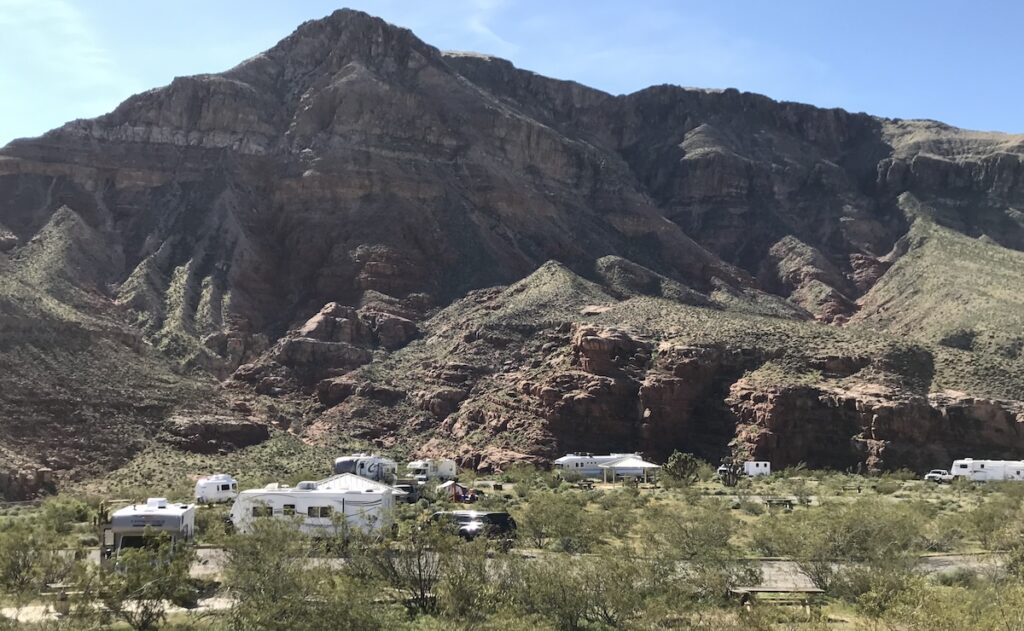
A campground is typically located in a natural or scenic outdoor area designed for a variety of camping styles. Most often they are operated by various governments — federal, state, counties and even cities. Best known are those found in national forests and national and state parks.
Campgrounds can accommodate tents, motorhomes, towable RVs, and even car campers. They are often located in natural settings like forests, parks, on or near lakes, and provide easy access to outdoor activities like hiking, fishing, or wildlife viewing.
The amenities at campgrounds can vary widely—some offer minimal facilities, such as fire rings, picnic tables and vault toilets while others may have showers, and sometimes even water, electrical and sewer hookups. Generally, campgrounds prioritize nature and simplicity over luxurious amenities, making them a popular choice for those seeking a more rustic, back-to-nature camping experience. The cost to stay in a campground is typically less than to stay in an RV park.
RV parks
An RV park, on the other hand, is specifically designed for RVers. These parks, mostly privately owned, usually include full hook-ups, meaning the designated sites offer water, electricity, sewer, and sometimes cable TV. Most offer free WiFi. RV parks are usually more developed than campgrounds, often with paved campsite pads, and they may include amenities like a laundry, swimming pool, recreation room, or even a restaurant and/or store.
RV parks tend to be more structured than campgrounds and are often located in developed or urban areas, making them suitable for both short-term and seasonal stays. In general, the cost to stay in an RV park is higher than a campground. Higher end parks which charge top dollar are often promoted as RV resorts.
RV parks may or may not offer space for tents. Perhaps the best known RV parks are those operated or franchised by Kampgrounds of America (KOA).
Key differences
• Different customers : Campgrounds cater to a wide variety of campers (tenters, RVers, and those using other forms of shelter), while RV parks are specifically for RVs.
• Amenities: RV parks typically offer more amenities like full hook-ups, Wi-Fi, and on-site activities, whereas campgrounds tend to be more basic and nature-focused.
• Location and environment: Campgrounds are often in more remote, natural locations, ideal for those seeking outdoor experiences. RV parks are more likely to be in developed areas with easy access to city services and amenities.
In general, a campground offers a more rustic, nature-oriented experience, while an RV park provides a more comfortable, fully serviced environment for RV travelers.